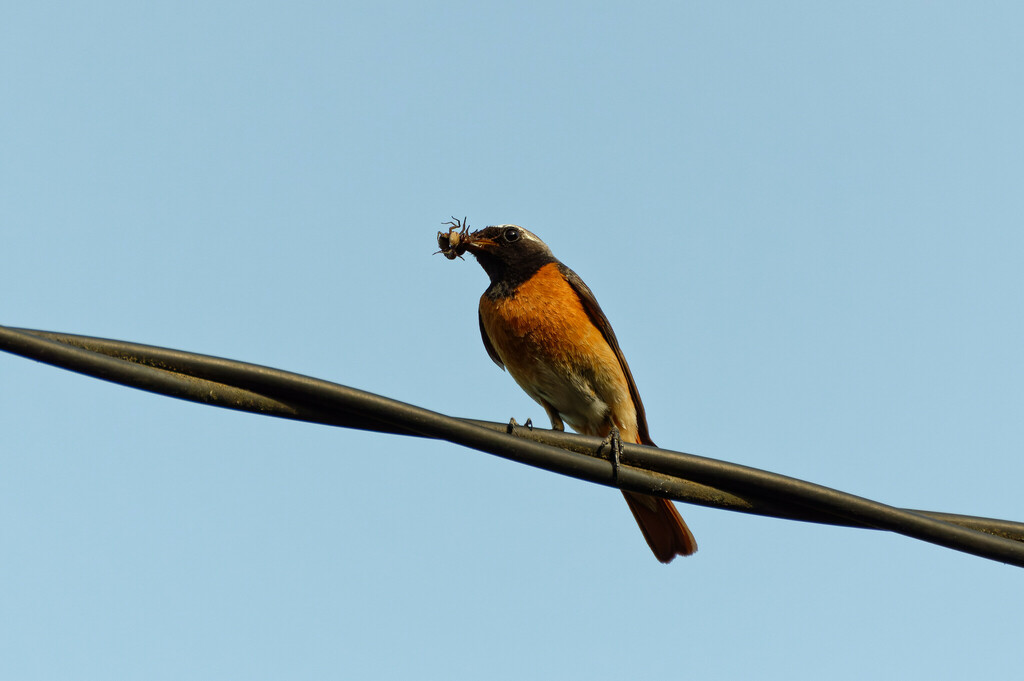
Common Redstart
The common redstart (Phoenicurus phoenicurus), or often simply redstart, is a small passerine bird in the genus Phoenicurus. Like its relatives, it was formerly classed as a member of the thrush family, (Turdidae), but is now known to be an Old World flycatcher (family Muscicapidae).
In Türkiye
Arrives in spring and leaves in autumn; winter records are almost absent.
Most records in September–October.
Provinces where it makes up the largest share of bird records.
Adjusted for how many birdwatchers are out each month; the busiest month = 100%.
8,769 records from Türkiye · #115 of 634 species by number of records. Source: GBIF.org (October 2026). All birds of Türkiye
About
The first formal description of the common redstart was by the Swedish naturalist Carl Linnaeus in 1758 in the tenth edition of his Systema Naturae under the binomial name Motacilla phoenicurus. The genus Phoenicurus was introduced by the English naturalist Thomas Forster in 1817. The genus and species name phoenicurus is from Ancient Greek phoinix, "red", and -ouros -"tailed".
Two subspecies are accepted. The nominate P. p. phoenicurus is found all over Europe and reaches into Siberia. To the southeast, subspecies P. p. samamisicus, sometimes called 'Ehrenberg's redstart', is found from the Crimean Peninsula and Greece through Turkey, the Caucasus, the Middle East, and into Central Asia. Adult males have white outer webs in the remiges, forming a pale to whitish wing-patch similar to the one seen in black redstart and Daurian redstart.
Text from Wikipedia (CC BY-SA 4.0)
At a glance
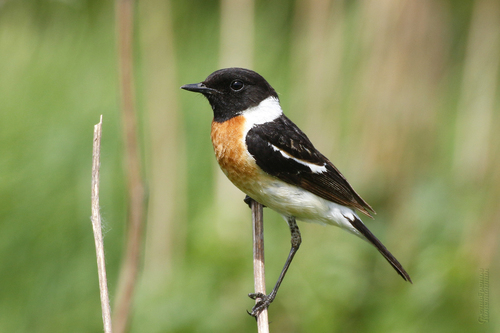
The common redstart is recognised by its constantly quivering rusty tail, the male striking with an ash-grey back and black face.
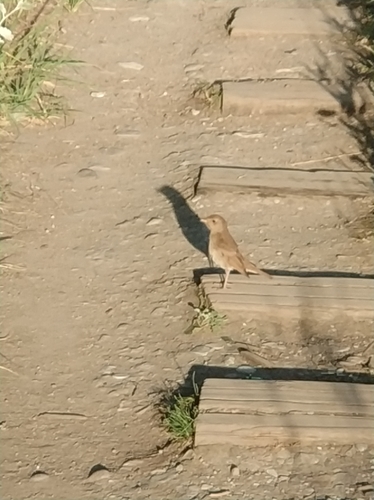
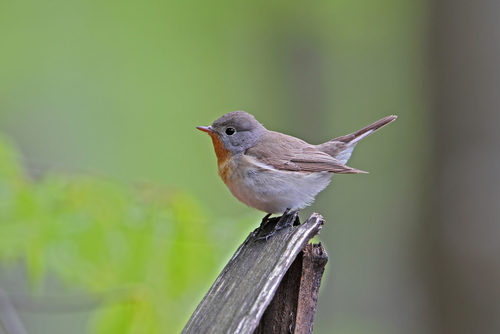
Similar birds
All birds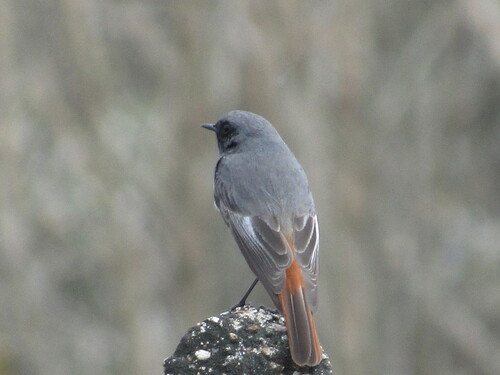
Heard this one in the wild?
Record it and Birdy will confirm — then it's in your journal.