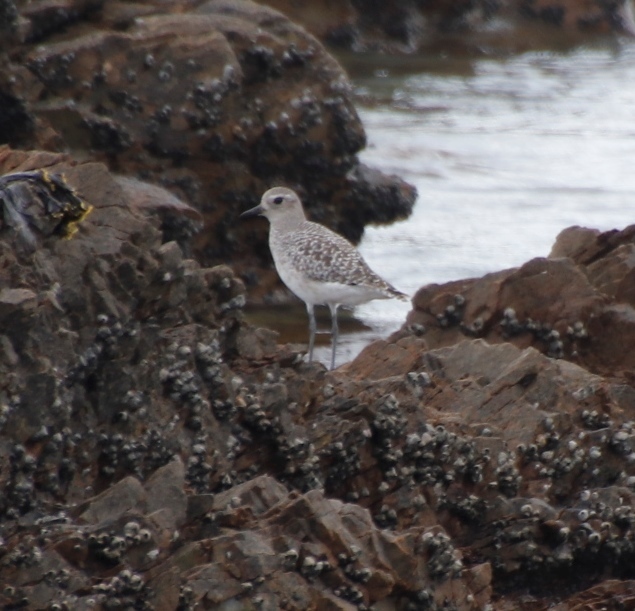
Black-bellied Plover
The grey plover or black-bellied plover (Pluvialis squatarola) is a large plover breeding in Arctic regions. It is a long-distance migrant, with a nearly worldwide coastal distribution when not breeding.
In Türkiye
Arrives in autumn and leaves in spring; summer records are almost absent.
Most records in January–February.
Provinces where it makes up the largest share of bird records.
Adjusted for how many birdwatchers are out each month; the busiest month = 100%.
5,431 records from Türkiye · #161 of 634 species by number of records. Source: GBIF.org (October 2026). All birds of Türkiye
About
The grey plover was formally described by the Swedish naturalist Carl Linnaeus in 1758 in the tenth edition of his Systema Naturae under the binomial name Tringa squatarola. It is now placed with three other plovers in the genus Pluvialis that was introduced by the French ornithologist Mathurin Jacques Brisson in 1760. The genus name is Latin and means relating to rain, from pluvia, "rain". It was believed that they flocked when rain was imminent. The species name squatarola is a Latinised version of Sgatarola, a Venetian name for some kind of plover.
The English common name used for this species differs in different parts of the world. It is generally known as "grey plover" in the Old World and "black-bellied plover" in the New World.
Three subspecies are recognised:
P. s. squatarola (Linnaeus, 1758) – breeds in north Eurasia and Alaska; non-breeding in west, south Europe, Africa, south, east Asia and Australasia and west Americas
P. s.
Text from Wikipedia (CC BY-SA 4.0)
At a glance
The grey plover is identified in flight by its black 'armpits', feeding spaced out along the shore.
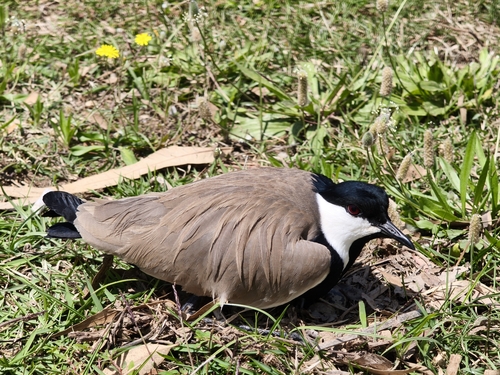
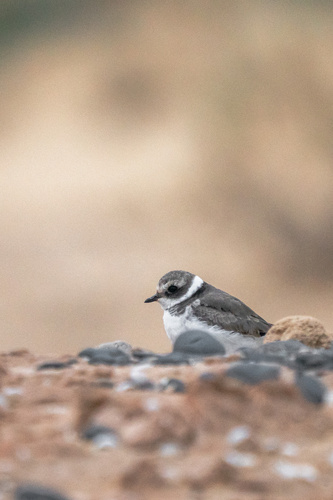
Similar birds
All birds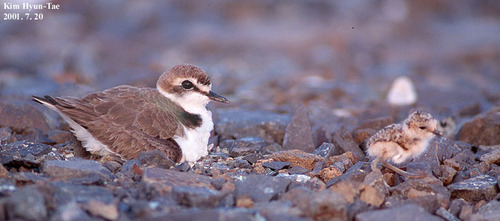

Heard this one in the wild?
Record it and Birdy will confirm — then it's in your journal.